
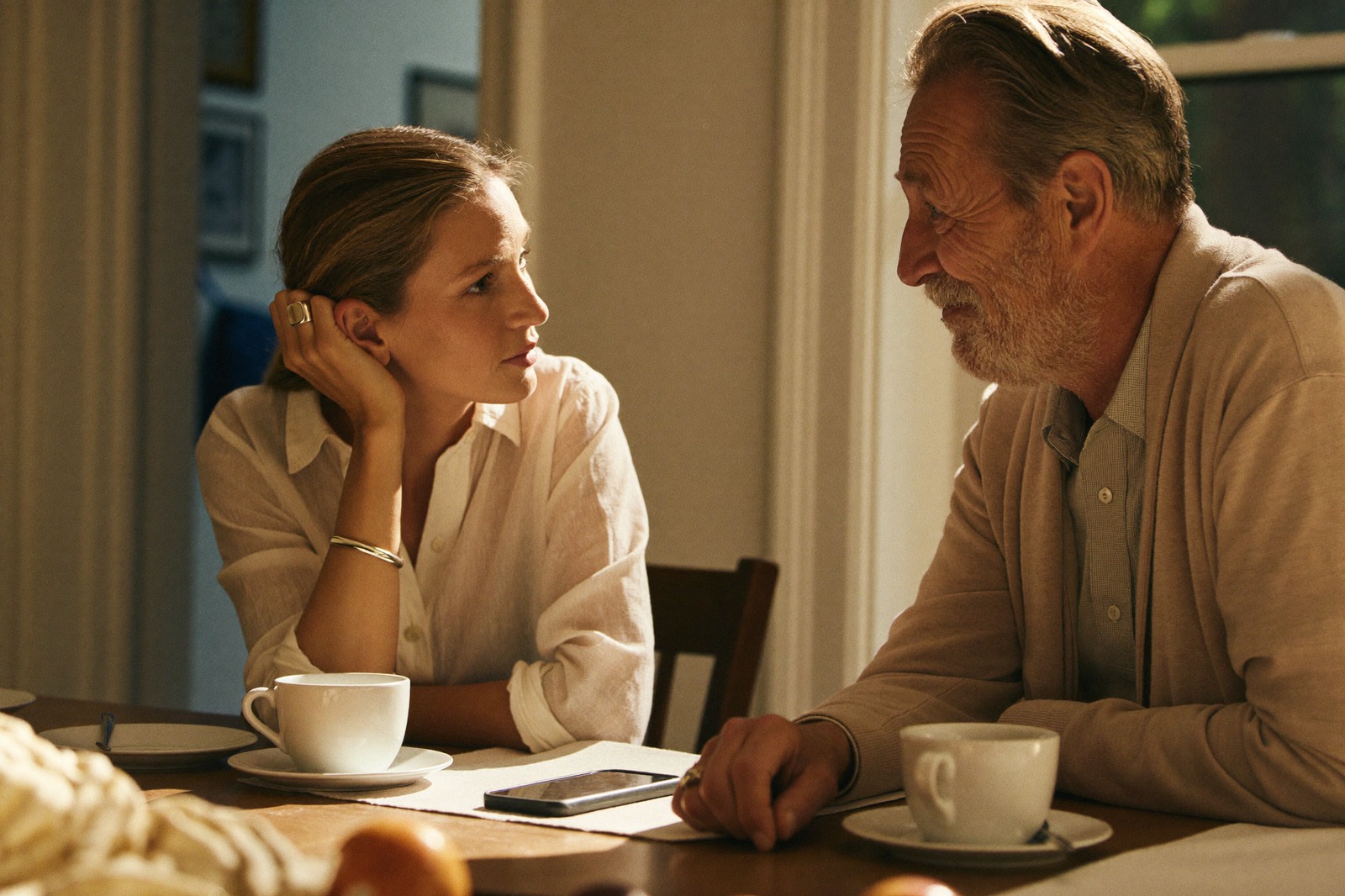
Preparation
Write down what you have noticed, with specific examples and dates: missed bills, repeated questions, getting lost on a familiar drive, trouble with a recipe they have made for years. Specific examples keep the conversation grounded, and the doctor will want them later.
Talk with other family members first so everyone agrees on the concern. Then decide who should raise it. The best person is usually the one your loved one trusts most, who may not be the oldest child or the one who lives closest.
Timing and wording
Pick a calm, private moment when neither of you is tired, rushed, or upset. Avoid holidays, family gatherings, and conversations in front of a group.
Lead with concern and speak for yourself. For example: “I've noticed the checkbook seems to frustrate you lately, and I'm worried about you. Would you be willing to get checked out so we know what's going on?”
Many people find it easier to agree to a checkup or a baseline visit than to a dementia test. You can also mention that some causes of memory problems are treatable, which is true and often reassuring.
Resistance
Denial and defensiveness are common. Sometimes they are part of the condition itself, because changes in the brain can affect a person's awareness of their own symptoms. Avoid arguing about specific incidents. Stay calm, tell them you love them, and come back to the subject in a few days or weeks.
Some people will accept a suggestion from their own doctor that they would not accept from family. You can call or write to the doctor's office before an annual visit to share your concerns. Medicare's Annual Wellness Visit includes a check for cognitive impairment, which makes it a natural starting point.
If safety is at risk, such as getting lost while driving, leaving the stove on, or falling for financial scams, act sooner and involve their doctor right away.
The appointment
Once they agree, schedule promptly and offer to come along and help with transportation and paperwork. Bring a medication list and your written notes, and read what to expect at a memory evaluation together beforehand. For many people, the fear of the visit is worse than the visit itself.
If your loved one prefers that you stay out of the exam room, respect that, and ask whether you can share your observations with the provider separately. The care team values what family members have noticed.
This guide is for education and is not medical advice. Treatment decisions are made with your provider after a full evaluation.